Sample preparation
Controlled drying, grinding and preparation for representative geological samples.
Drying · Grinding · Homogenisation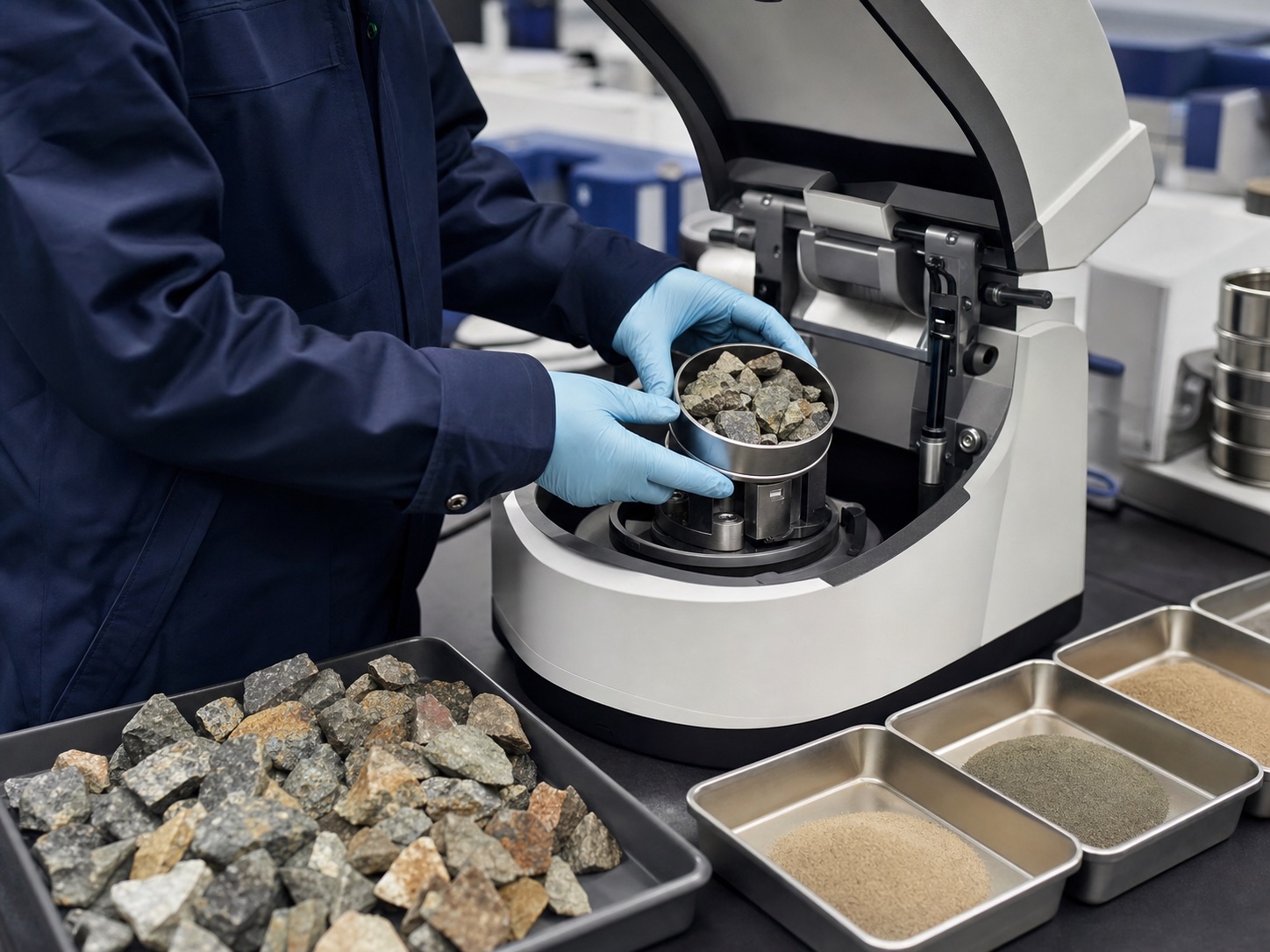
Mineral analytical laboratory · Kelantan, Malaysia
Mineral testing and field intelligence designed to turn complex geological questions into useful evidence.
ISO/IEC 17025:2017 · Certificate of ComplianceCurrent services
Method selection depends on sample mineralogy, target elements, expected concentration and the intended use of your results.
Controlled drying, grinding and preparation for representative geological samples.
Drying · Grinding · HomogenisationA digestion route selected around mineralogy, target elements and project intent.
Matrix-aware method selection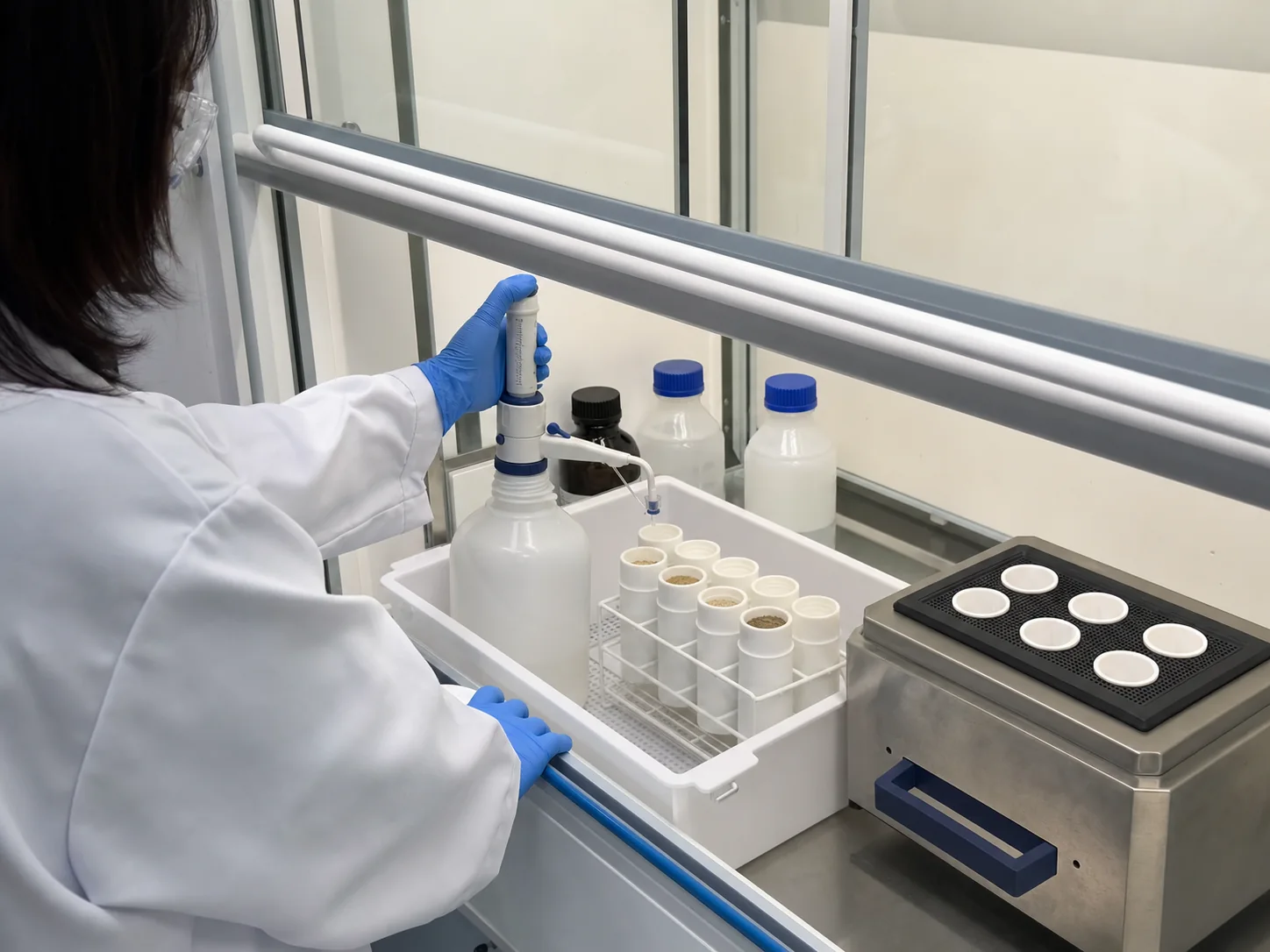
Quantitative multi-element analysis supporting exploration, research and geological assessment.
ICP-OES capability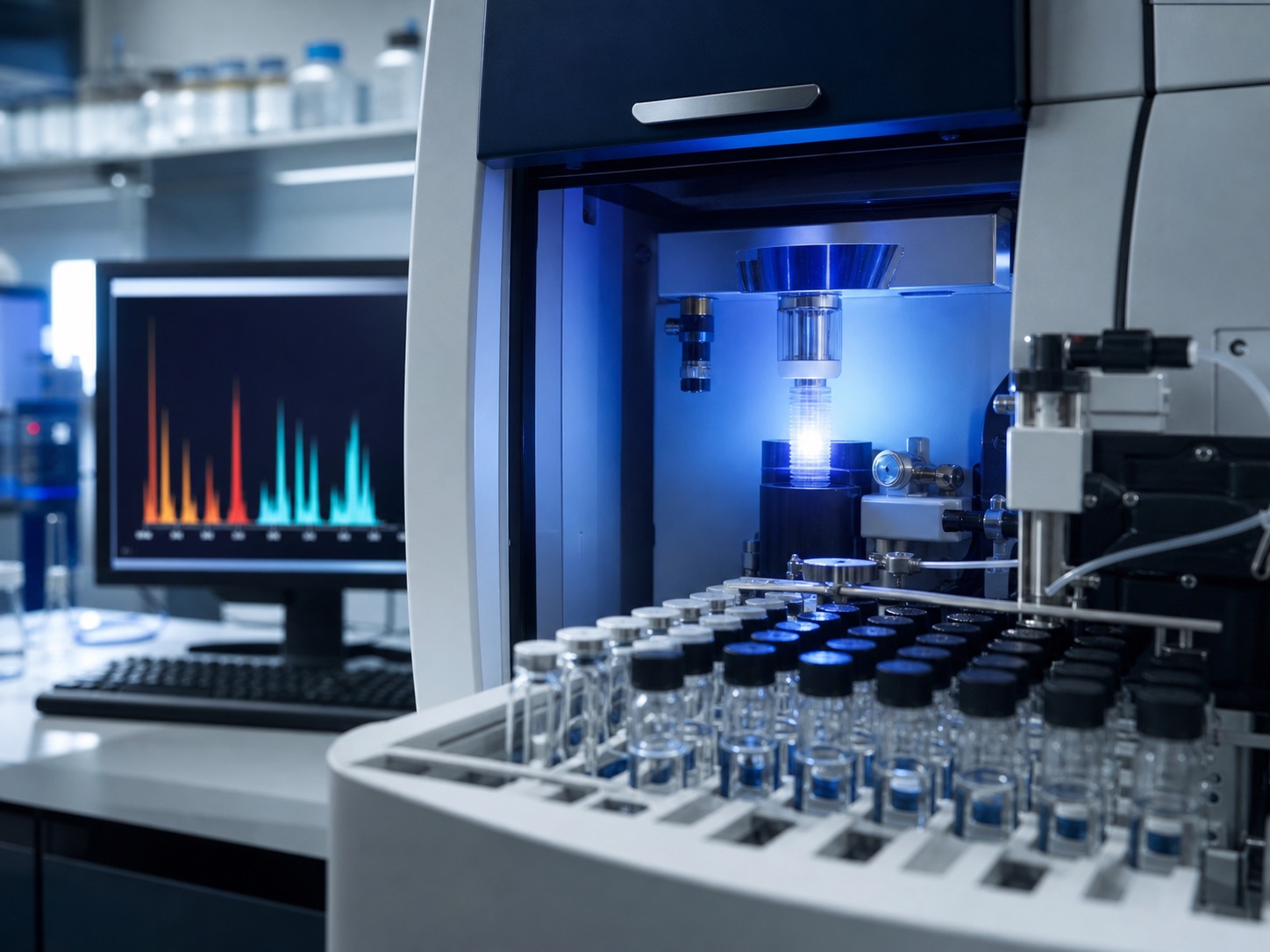
Appropriate preparation and analytical methods for selected exploration samples.
AAS capability · Selected metals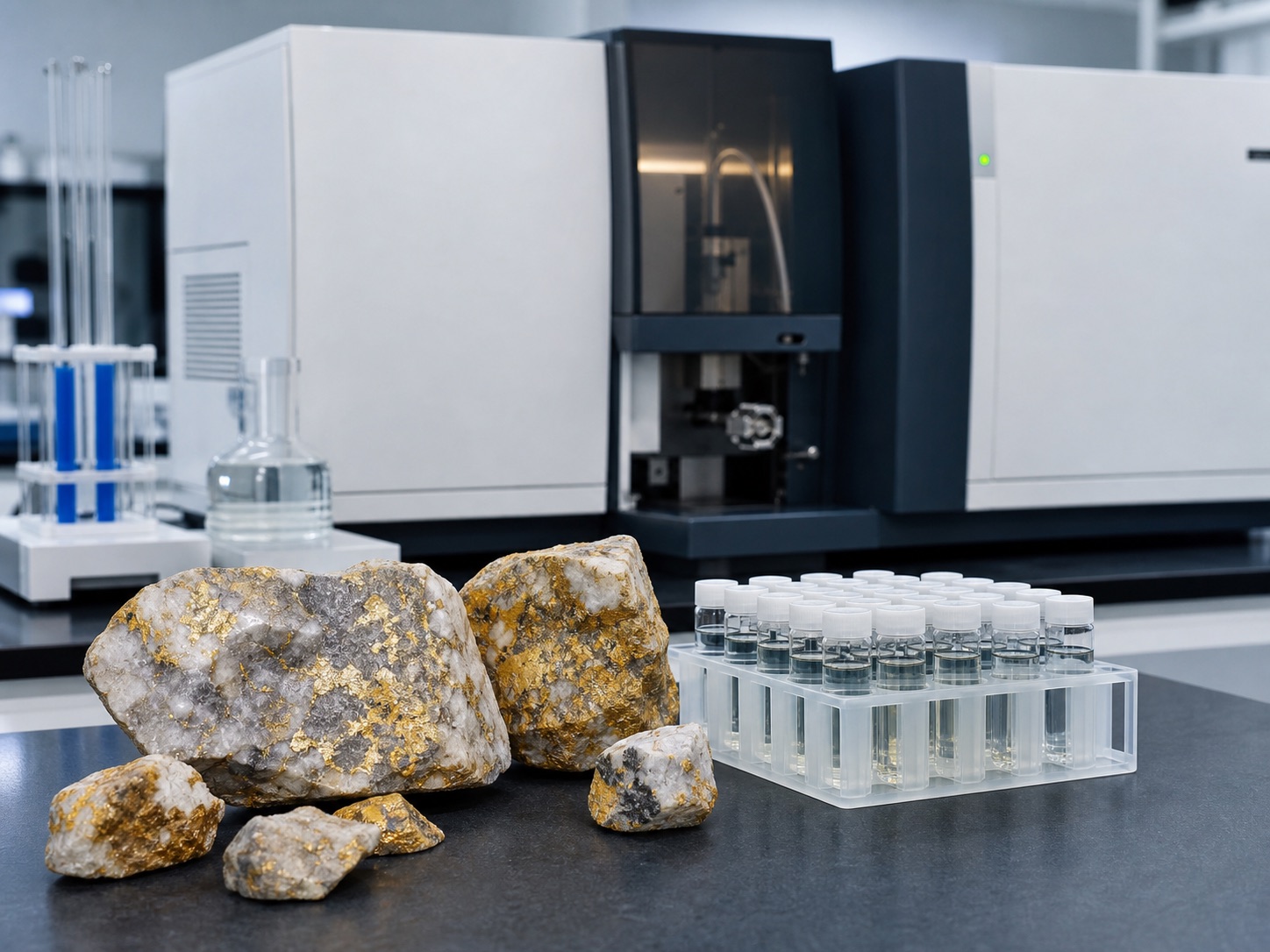
Final method selection is confirmed after reviewing your sample type, target elements, expected concentration and reporting purpose.
Laboratory capability
Equipment is only part of the answer. Sample preparation, chemistry, calibration range and reporting intent must work together.
Inside Kelstone Cosmos Lab
Watch our opening film, then step inside the preparation, analytical work and reporting behind every result.
Remote sensing intelligence
Multispectral and hyperspectral imagery is interpreted with terrain and geological context to screen large areas and focus field investigation.
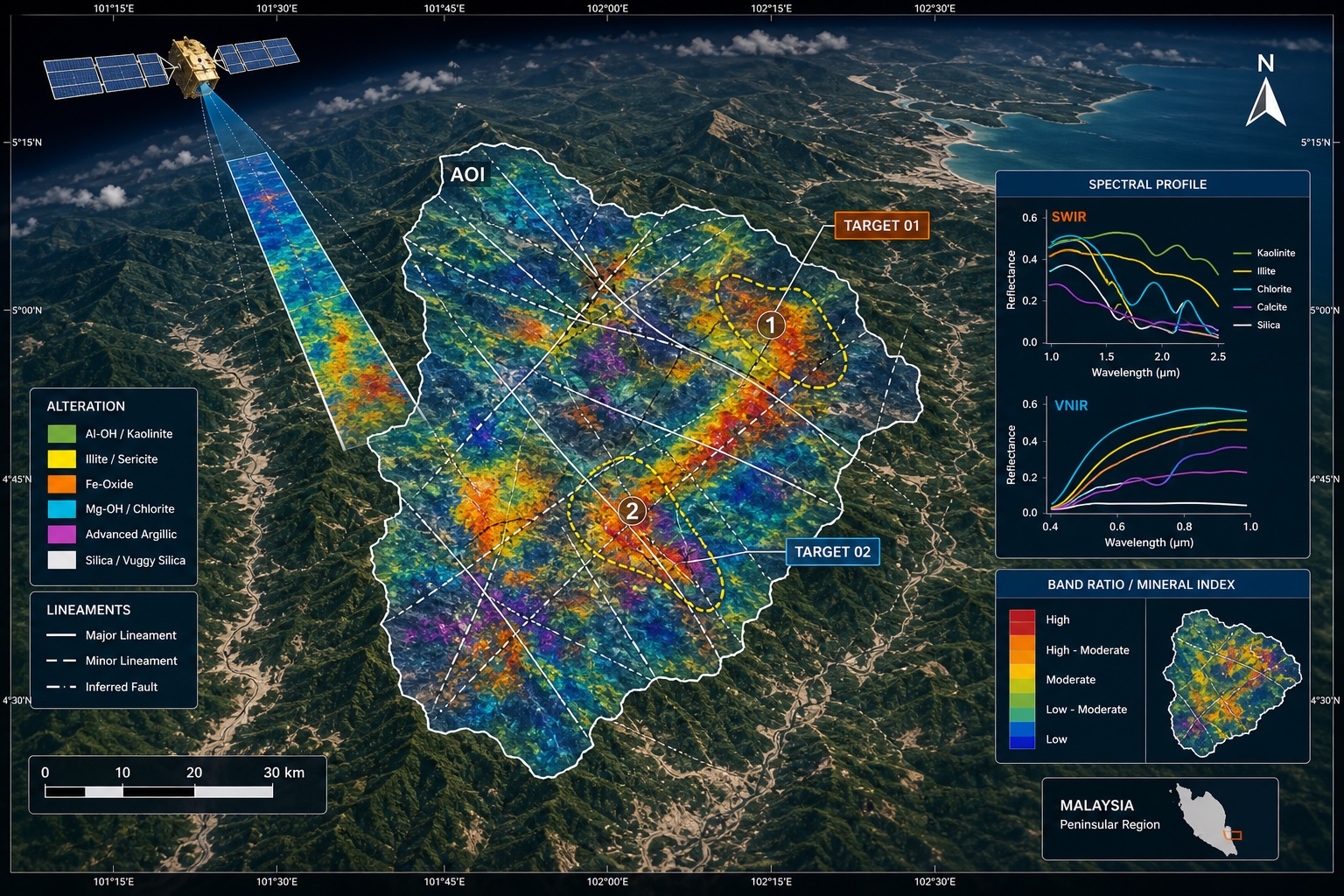
Review suitable imagery, coverage and the project area of interest.
Apply band ratios and indices relevant to the exploration objective.
Map regional trends, fractures and structural relationships.
Screen for spatial patterns that may warrant closer investigation.
Prioritise targets with coordinates and supporting interpretation.
Deliver clear map plates, observations and recommended next steps.
Laboratory work
A closer view of routine preparation and wet-chemistry activities at Kelstone Cosmos Lab.
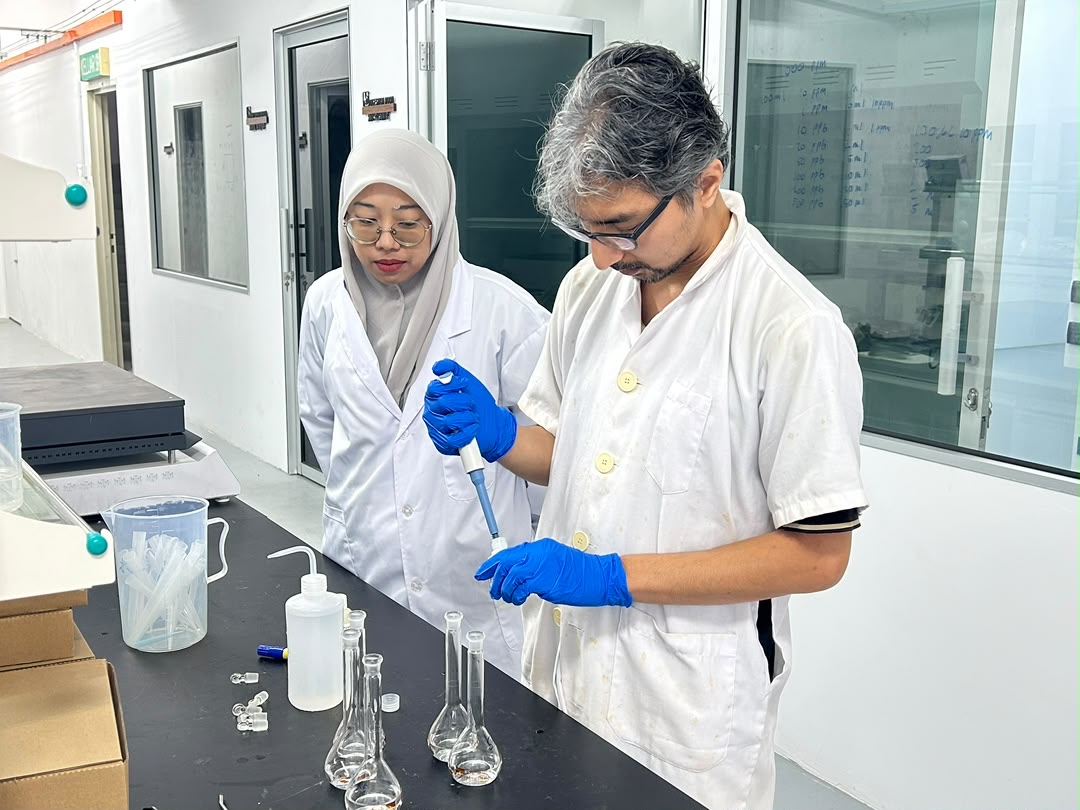
Our laboratory team preparing solutions for analysis.
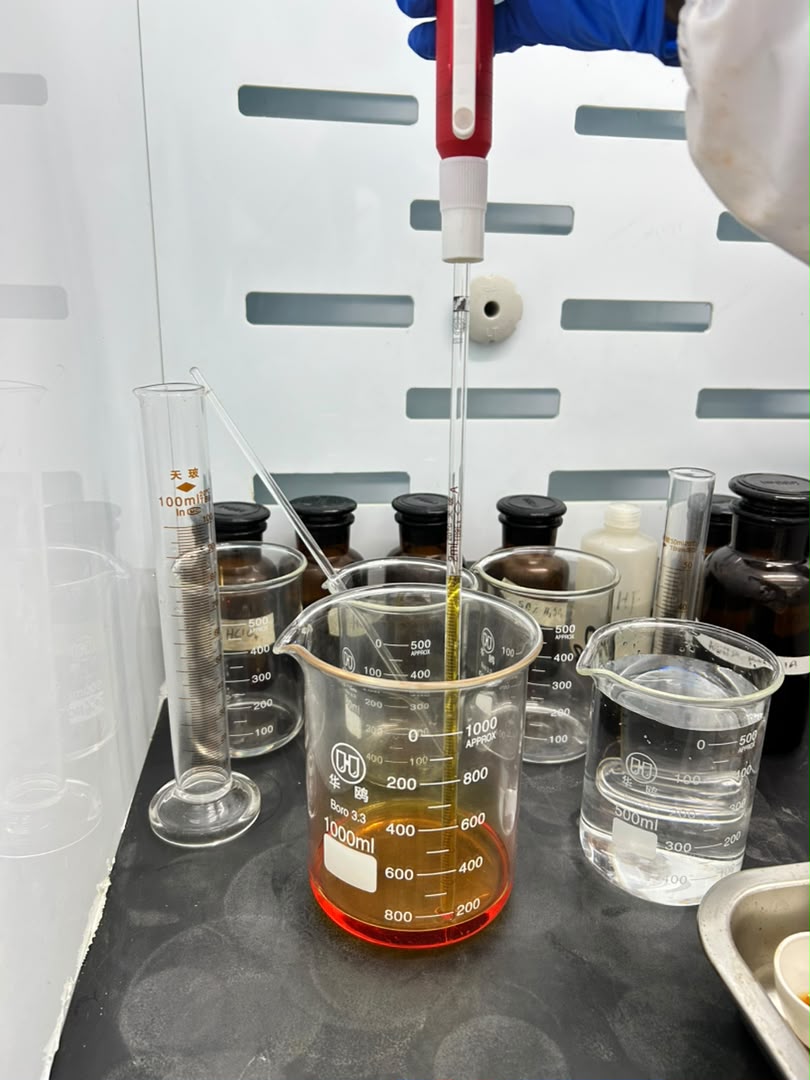
Controlled liquid transfer during sample preparation and digestion work.
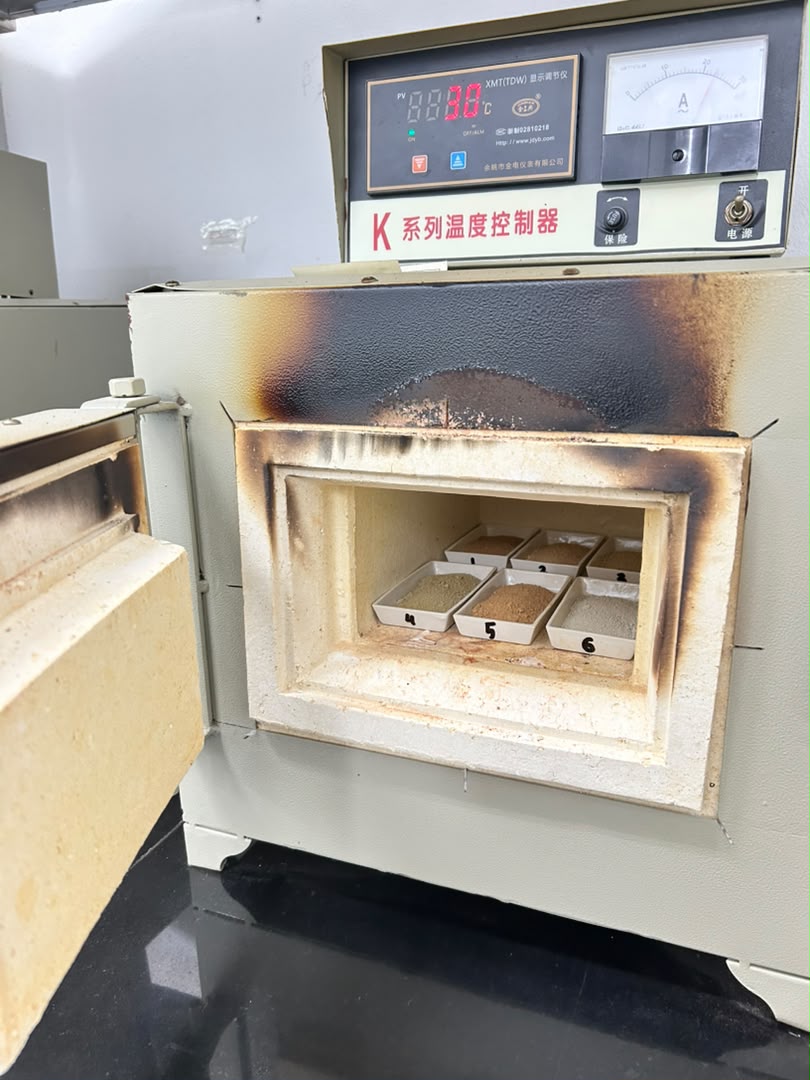
Prepared samples arranged for a controlled furnace stage.
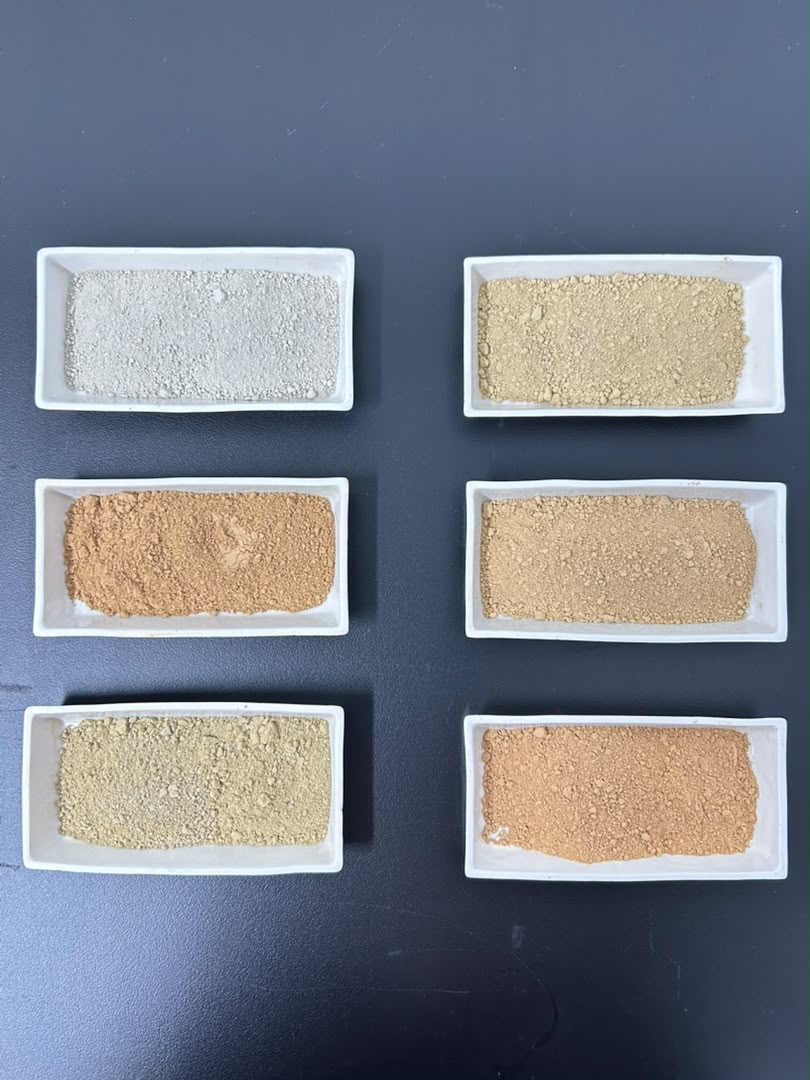
Representative geological powders kept clearly separated for the selected analytical route.
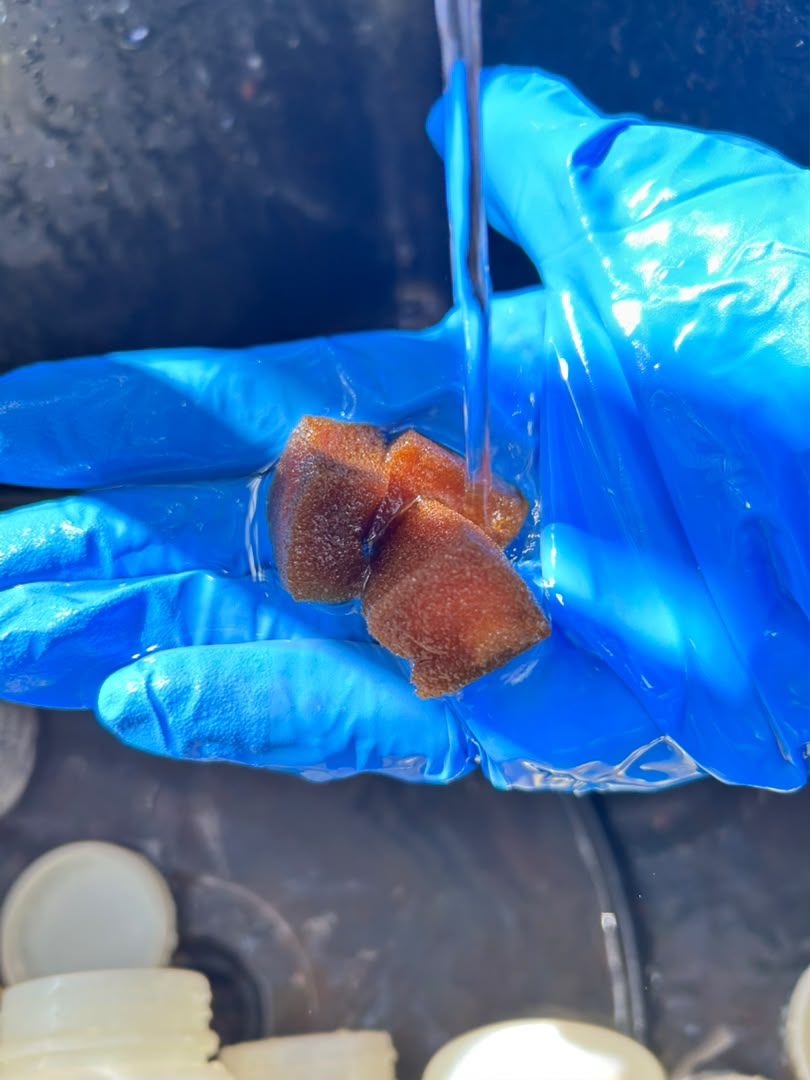
A close visual check of material before the next preparation step.
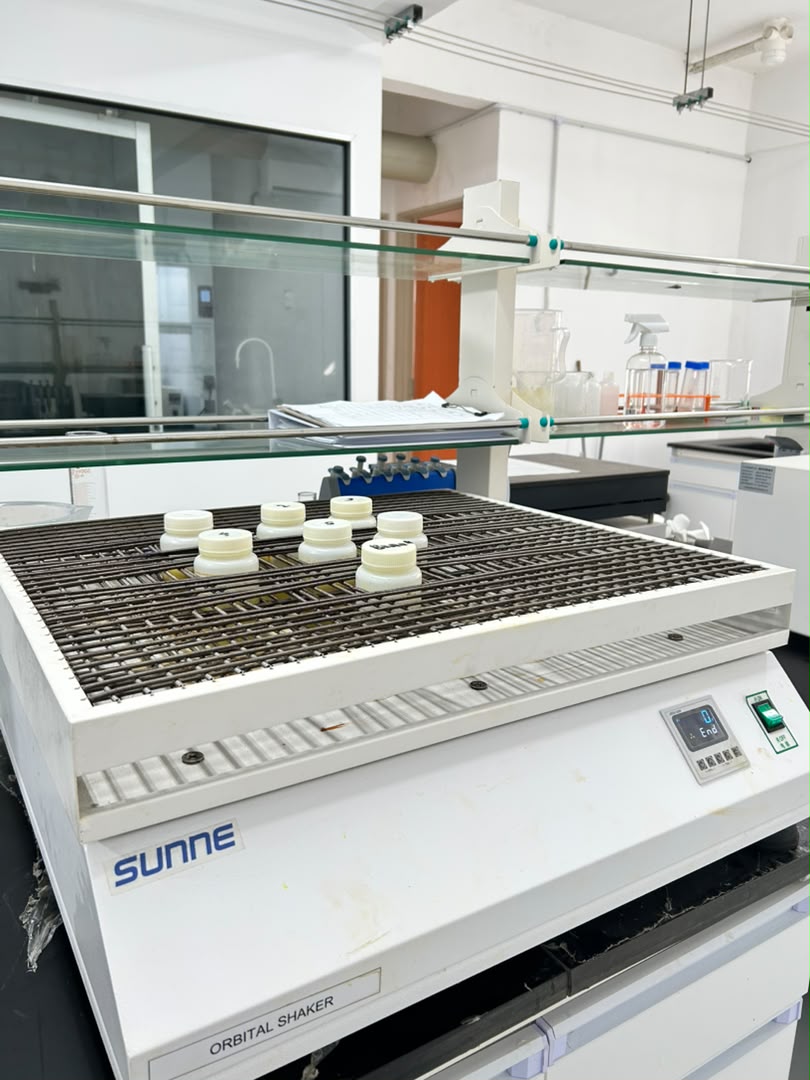
Labelled vessels are handled as a defined batch through the preparation workflow.
Swipe to explore all six laboratory photographs.
Project-specific methods and reporting requirements are confirmed before work begins.
Quality by workflow
Good analytical work begins before an instrument is used. We align the workflow to the geological question and make the reporting scope clear from the start.
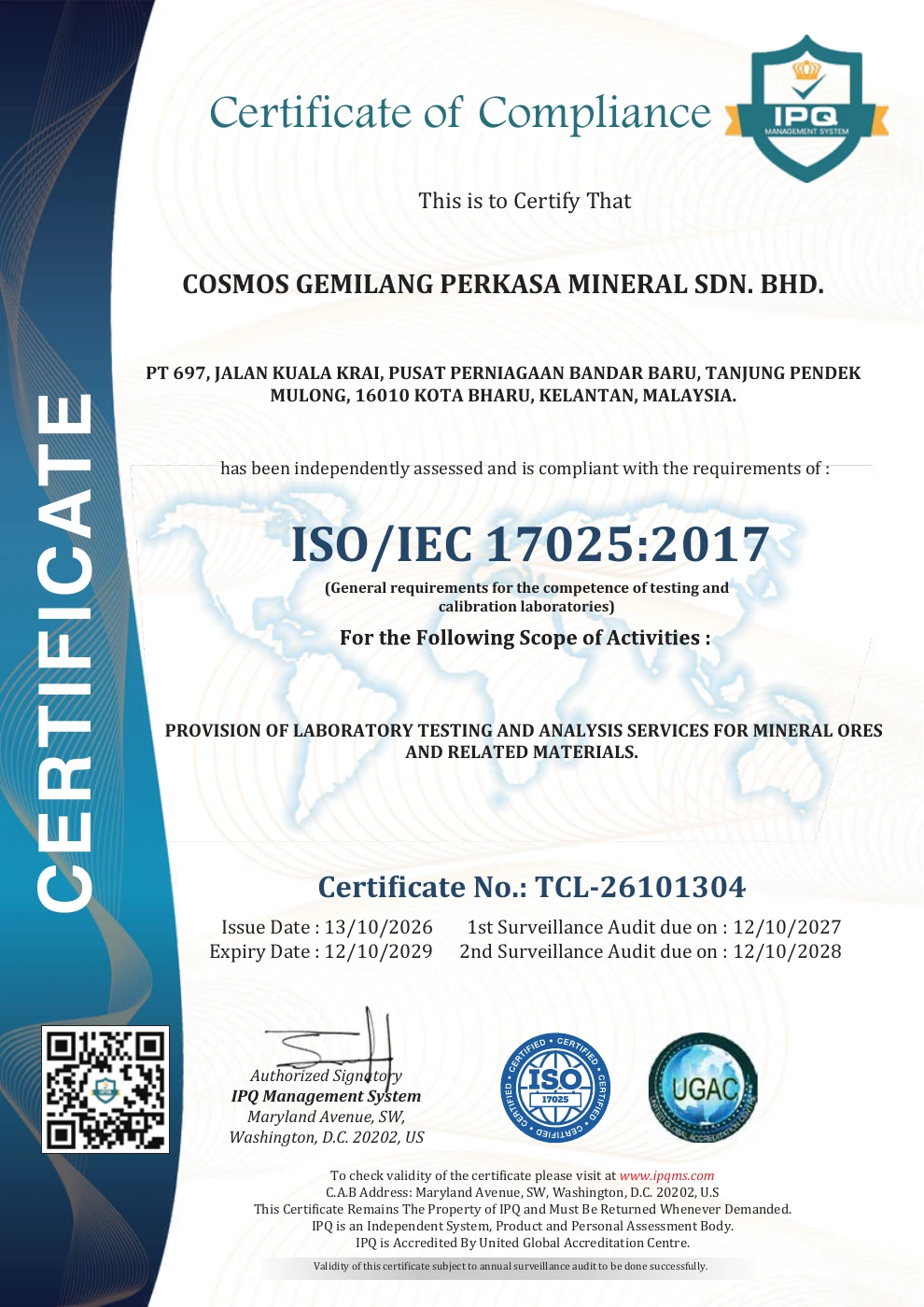 View original certificate ↗
Certificate of Compliance
COSMOS GEMILANG PERKASA MINERAL SDN. BHD.
Issued by IPQ Management System for the provision of laboratory testing and analysis services for mineral ores and related materials.
Validity is subject to successful annual surveillance audits, as stated in the certificate. This document is a Certificate of Compliance; it is not a SAMM accreditation certificate or a test-specific Scope of Accreditation.
Confirm sample type, target elements, expected range, quantity and intended use.
Select preparation, digestion and measurement routes suitable for the sample matrix.
Define project-appropriate batch controls and keep sample handling traceable through the workflow.
Deliver results in a clear format with the agreed analytical and project context.
Primary contact
Share your sample type, target elements and project timeline with our Branch Operation Manager for a direct response.
WhatsApp · +60 16-771 6762Tell us the sample type, number of samples, target elements, expected concentration if known, and how you intend to use the results. Include your requested timeline.
The required quantity depends on the preparation route and analytical programme. Please ask us to confirm the required mass and any repeat or retained-sample needs before dispatch.
Use a unique, readable ID for each sample and provide a matching sample list. Confirm suitable packaging and any special handling requirements with the laboratory before shipping.
Turnaround, report format, units and analytical scope are agreed during quotation. Let us know any required reporting or submission format before work starts.
Contact the laboratory to confirm the receiving address, delivery arrangements and acceptance of your sample type before dispatch.
Tell us what you need tested. We will review the method, sample requirements and turnaround before confirming a quotation.